

The Journey to
Treatment and Recovery
Addiction recovery is not a one-time event, but a journey that unfolds in stages.
People who struggle with addiction may be trying to ease physical, emotional, spiritual, and mental pain, to numb complicated feelings. This pain is often rooted in trauma, grief, and loss, both past and ongoing. To create meaningful and lasting change, recovery must address these deeper wounds.
Each person’s path is unique, shaped by their experiences, strengths, and supports. By understanding recovery as a gradual process, we can honour where people are at and offer compassionate, culturally grounded support every step of the way.
Maintaining recovery after moving through the early stages takes ongoing care, reflection, and support. It’s not something anyone has to do alone.
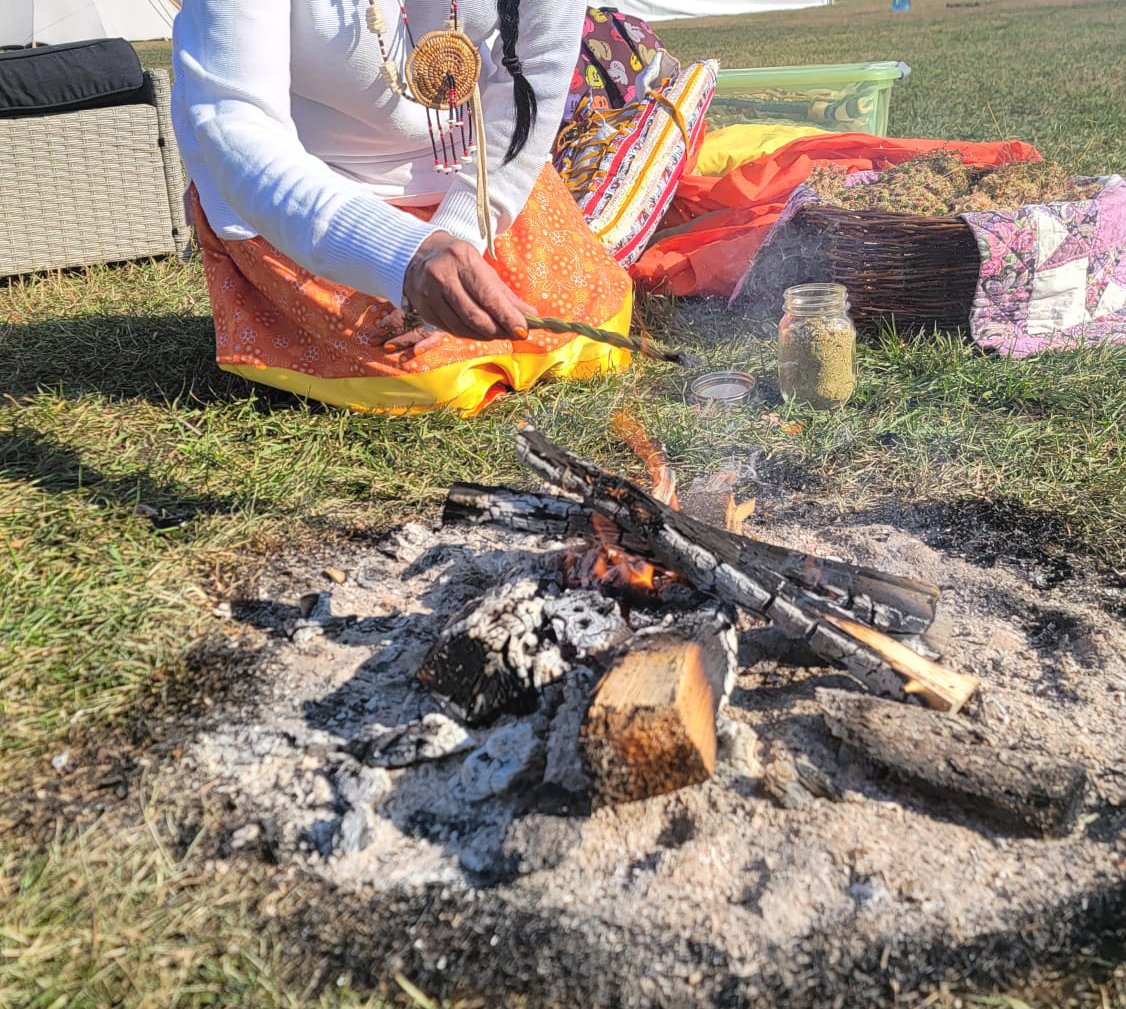
“It is essential to recognize and support people where they are in their healing journey. We are here to support by shining a light or pointing out the trail ahead. The path to recovery is theirs to take, and we can support every step.”
The journey to recovery has steps and stages that are typically universal parts of the process, while the path to each stage is unique to each person.
On this page, we outline 5 steps through the addiction and recovery process. The information may help you identify where you or a loved one is on the journey, what support you can access and how you can support someone on the path.
Professional guidance can play a vital role in helping individuals navigate challenges, manage triggers, and plan for long-term wellness. Support from loved ones and community also strengthens the path forward, creating a circle of care that helps sustain recovery and prevent relapse.
-
Pre-contemplation
Not yet seeing the need for change.
-
Contemplation
Considering Change
-
Preparation
Getting Ready for Sobriety
-
Action
Walking the Path of Recovery
-
Relaps
“We don’t fall off the path — we pause and learn what we needed to learn.”
— Cree wellness teaching -
Maintenance
Sustaining Sobriety


Stage 1: Pre-contemplation
Not yet seeing the need for change.
In this stage, a person may not yet recognize that their substance use is causing harm. They may feel uncertain, overwhelmed, or not ready to look at their relationship with substances. For many, substances became a way to cope with pain, loss, disconnection from culture, or trauma. This includes intergenerational trauma that impacts many of the First Nations families and communities in the Wood Buffalo region.
Sometimes, the person is not refusing to see the problem; they may not feel safe enough or strong enough to look at it yet.
In Cree and Dene cultures, Elders teach us that the strength to heal grows through connection to community, ceremony, land, and spirit. When a person has an addiction, change begins only when the person starts to feel or see the impact for themselves. Sometimes, a serious event — a health scare, an overdose, or the loss of someone close — can open the doorway to awareness.
“One of the hardest things was learning that I was worth recovery.”
-
In this stage, the person may not yet recognize that their substance use is causing harm.
They may feel:Overwhelmed by emotions or trauma and not ready to face them.
A longing to feel numb or chasing the feeling the high gives them.
Protective of their coping methods — substances may feel like the only thing helping them get through each day.
Afraid of shame, judgment, or disappointing family.
Disconnected from themselves, their culture, or their sense of identity.
Change can feel impossible when someone is just trying to get through the day.
Healing begins when a person feels safe enough to look inward.
In this stage, they are not there yet, and that’s okay. -
You may notice changes in how the person acts, connects, or participates in daily life:
Avoids conversations about their substance use.
Becomes defensive, minimizes, or denies any concern (“I’m fine,” “It’s not a problem”).
Pulls away from family gatherings, the land, or cultural events.
Changes in mood — more anger, sadness, irritability, or emotional numbness.
Struggles with responsibilities — missing work, not showing up for commitments, losing interest in things they once cared about.
Increasing secrecy — hiding substances or how much they use.
Physical changes such as fatigue, weight changes, or lack of personal care.
These signs are not about “being bad” — they are signs of someone carrying pain and struggling with daily life.
-
Your role is not to force change, it is to keep connection open.
Learn about addiction and trauma so you can offer support without blame.
Reach out to an Elder, Knowledge Keeper, counsellor, or support worker for guidance.
Approach conversations gently — speak from love, not fear.
Offer cultural connection when possible: time on the land, ceremony, smudging, prayer, cultural events.
Even when they are not ready to talk, they can feel your presence.
Walking beside someone means:
Listening more than speaking.
Holding space without judgment.
Reminding them they are loved, worthy, and not alone.
Sometimes the most powerful medicine is knowing that when they are ready, their community is still there.
We don’t walk in front and pull.
We don’t walk behind and push.
We walk beside.

Stage 2: contemplation
Beginning to Consider Change
In this stage, the person begins to see, even if only for a moment, that their substance use is affecting their life, their relationships, and their spirit. The awareness might come quietly, like a whisper, or suddenly, through a difficult or emotional experience. They may find themselves thinking about change, even if they don’t feel ready to take action.
This shift can be sparked by connection: a conversation with an Elder, time spent on the land, or recognizing how their actions affect their children, partner, or family. The person may start to ask, “Is this really the life I want?”
This stage is not about taking action.
It’s about awakening, noticing, and wondering if another path is possible.
“The land will heal you if you let it. Go back to the land and you will remember who you are.”
-
This stage can feel like standing at a fork in the path, unsure which direction to take. A person may:
Feel conflicted: wanting to change, but also afraid of the unknown.
Worry about judgment or disappointing others.
Experience moments of clarity followed by doubt or fear.
Begin to reflect on what they have lost, or what they could lose.
In Cree and Dene ways of knowing, awareness is the first step in returning to balance.
-
You may notice the person:
Talking about cutting back or wondering what sobriety might feel like.
Acknowledging that their use affects family, children, or relationships.
Showing curiosity — asking about detox, recovery programs, or cultural support.
Trying to reduce or control their substance use, even if only briefly.
Taking quiet moments alone to reflect or think.
These are signs of an inner struggle. Some of them wants change, even if the other parts are not ready.
-
Your role is to support, not to push.
Choose gentle moments to talk — when they are sober and calm.
Speak from love and care, not anger or blame.
Encourage connection to culture — land, ceremony, Elders, language.
Ask open-hearted questions instead of giving instructions.
Hold space without expectation — change takes time.
If guidance is needed, you or your loved one can reach out to:
ATC Wellness Mobile Outreach Team — 780-791-6538Walking beside someone means showing them they are valued, even before they are ready for change.
TAKE CARE OF YOURSELF
Caring for someone who is struggling with addiction can take a serious toll on your own mental, emotional, physical, and spiritual well-being. It is possible to love someone deeply and still feel overwhelmed, tired, or unsure of what to do.
You have a responsibility to care for your own health and spirit, just as much as you care for them.
You have the right to set boundaries.
You have the right to protect your peace and safety. It is okay to take breaks from difficult conversations.
Supporting someone does not mean sacrificing yourself.
If someone’s actions are affecting your safety, your sleep, your peace of mind, or your wellness, it is okay —and sometimes necessary— to step back.
Your wellness matters. You cannot help someone else if you are burning out. Taking care of yourself is not selfish. It is an essential act of love and survival.
Honour your own healing, too.

Stage 3: Preparation
Getting Ready for Sobriety
In this stage, the person begins moving from thinking about change to actively planning for it. They are shifting from contemplation to commitment. They may feel nervous, hopeful, or scared, but they are starting to believe that a different life is possible.
The person begins to prepare their mind, heart, and spirit for a new path.
-
This stage can feel like gathering what you need for a long journey.
A person may:
Feel hopeful and scared at the same time.
Begin to recognize how addiction has affected their life, relationships, and spirit.
Feel open to take steps toward wellness, even if they don’t know how yet.
Experience pride in deciding to make a change.
Worry about failing or disappointing others
-
You may notice the person:
Admitting to themselves or others that addiction has caused harm.
Taking small steps toward healthier routines (sleep, eating, movement, time on the land).
Learning about treatment options, counselling, land-based healing, or detox.
Trying to reduce or quit on their own.
Removing triggers and substances from their space.
Wanting accountability and support by sharing their plan with trusted people.
These actions show courage and commitment, even if progress is slow.
-
Your role is to encourage, support, and believe in them.
You can:
Learn about available healing pathways: land-based programs, Elders, counselling, and detox.
Help them explore where they want to go for support (local or treatment centres).
Talk openly about potential triggers — people, places, or situations that make sobriety harder.
Celebrate every step they take, even the small ones. Noticing the progress they are making and being supportive of it can go a long way to making change feel possible.
Remind them that asking for help is a sign of strength, not a weakness.
In Cree and Dene teachings, wellness grows through relationship.
No one walks the healing path alone.Say things like:
“I’m proud of you.”
“You don’t have to do this by yourself.”
“I believe in your healing.”
And remember:
Change is not a straight line.
Setbacks are not failure.
Your patience can help them feel safe enough to keep going.
Your belief in them can be the medicine that keeps their hope alive.
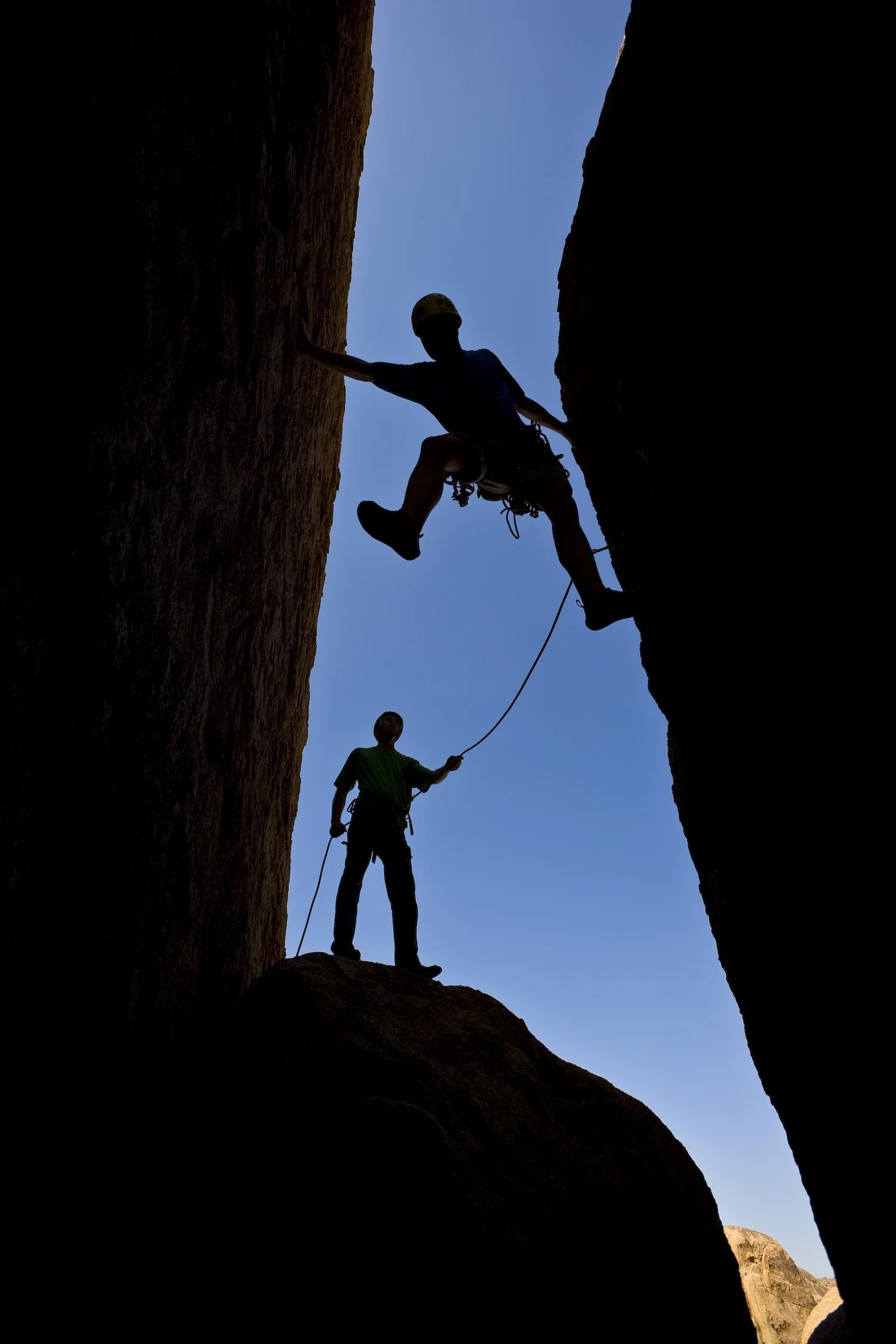
“Ready is not a feeling,
it’s a decision.”
Stage 4: Action
Walking the Path of Recovery
In this stage, the person has moved from planning to actively living their healing. They are taking real steps—big or small—toward a healthier life. This may include engaging in treatment, attending ceremony, returning to the land, or practicing new routines that support sobriety.
For First Nations people, this stage is where cultural reconnection becomes powerful medicine. They may find strength in smudging more often, attending sweats, meeting with Elders, or spending time on the land.
“We are all walking our own road. Some walk fast, some walk slow, the path is still sacred.”
-
This stage can feel empowering and also unfamiliar.
The person may:
Feel proud of their progress and the strength it took to get here.
Feel unsteady without the coping mechanism they used to rely on.
Experience new confidence in their ability to choose sobriety.
Notice their spirit becoming lighter with hope, energy, and clarity.
Be excited and scared at the same time
Healing can feel like walking out of fog into sunlight — beautiful and overwhelming.
-
You may see them:
Maintaining sobriety — days turn into weeks, weeks into months.
Making healthy choices more consistently.
Attending treatment, counselling, cultural gatherings, or support groups.
Using land, ceremony, movement, or language as grounding practices.
Talking openly about what’s helping and what’s challenging.
They take pride in their progress.
More presence with family and community.
Reconnection with identity, culture, and purpose.
These are signs of someone reclaiming their life.
-
Your support helps them stay grounded in their journey.
You can:
Encourage connection to healing spaces: treatment programs, Elders, ceremony, and land-based healing.
Offer practical help, such as rides to meetings, childcare, and regular check-ins on how they are feeling or the challenges they are facing.
Help them identify triggers and build a plan for challenging moments.
Celebrate milestones and acknowledge their courage and the strength it has taken to get to this point.
Listen. They are the leader of their journey.
Say things like:
“I see how hard you are working — I’m proud of you.”
“You are not walking this road alone.”
Your belief in them strengthens their belief in themselves.

Relapse
Returning to Old Patterns
Relapse can happen at any point on the healing path. It is not failure — it is a part of the journey many people experience. Addiction affects the body, mind, emotions, and spirit, and it takes time for all parts to heal and trust new ways of coping.
In Cree and Dene teachings, the path of healing is a circle, not a straight line. If someone slips, they are not starting over — they are returning to the circle with more knowledge than before.
-
Relapse can bring up painful emotions, such as:
Shame or guilt.
Fear of disappointing family or community.
Feeling like they “failed” or “threw away progress”.
Hopelessness or frustration.
They may also feel:
Overwhelmed by emotions or memories.
Embarrassed to reach out for help again.
Afraid of being judged or misunderstood.
In Indigenous teachings, healing honours the spirit, not just behaviour.
Relapse can be a sign that the person needs:more support,
deeper connection,
or a different approach to coping with pain.
They may be learning what hurts and what still needs healing.
-
You may notice the person:
Avoiding contact with people who support their recovery.
Missing meetings, cultural gatherings, counselling, or time on the land.
Returning to old friends, places, or routines tied to substance use.
Becoming more withdrawn, isolated, or secretive.
Appearing overwhelmed, stressed, or emotionally flooded.
Using substances again — occasionally or regularly.
Sometimes the emotional relapse comes before substance use:
irritability
sleep changes
loss of interest in healthy habits
increased self-criticism
Isolation is often the strongest warning sign.
-
Your role is not to fix — it is to be steady.
You can:
Reach out gently: “I’m here. You’re not alone.”
Remind them that relapse does not erase their progress.
Help them reconnect with the supports that helped before (Elders, ceremony, counselling, recovery groups).
Encourage returning to the land or cultural practices to help ground their spirit.
Offer to sit with them during phone calls, appointments, or meetings.
Avoid:
shame,
blame,
or the message that “you messed up.”
Instead, try:
“What do you need right now?”
“What helped you the last time you felt strong?”
Healing grows through connection, not pressure.
In Cree and Dene teachings, we walk beside one another — not in front pulling, not behind pushing. Relapse is not the end of the road; it is another bend in the path. There is always a path that circles back.

Stage 5: Maintenance
Sustaining Sobriety
This stage begins when a person has been sober for six months or longer. By now, they have built routines, learned coping skills, and experienced the benefits of sobriety, including clearer thinking, healthier relationships, and a stronger spirit. They may feel more confident and grounded, but healing is lifelong. There may still be moments of doubt, stress, emotional pain, or temptation.
In Cree and Dene teachings, healing is a continuous circle, not a straight line. Maintaining sobriety means continuing to nurture the whole self—mind, body, spirit, and heart—and staying connected to land, culture, and community.
-
This stage can feel grounding, like life is coming back into balance.
A person may:
Feel proud of the strength it took to get here.
Experience more clarity, purpose, and confidence.
Rebuild trust with family and community.
Feel more present in parenting, relationships, and daily life.
Still experience pressure or moments of vulnerability.
Sobriety no longer feels like something they are trying — it feels like something they are living.
There may also be quiet fear — “What if I slip?”
And that fear is normal.Healing is not about perfection; it is about persistence and presence in the process.
-
You may notice the person:
Continuing practices that support their wellness: therapy, meetings, prayer, ceremony, time on the land.
Maintaining healthy routines like exercise, eating well, and regular sleep.
Showing emotional growth, responding to stress and feelings with healthy coping strategies, and without substances.
Finding purpose through working, family, volunteering, helping others, or cultural connection.
Building or rebuilding relationships with family, children, and community.
Feeling pride in their resilience.
You may also notice them:
Reviewing their relapse-prevention plan.
Adjusting strategies as new challenges arise.
Staying connected to support systems (AA, NA, SMART, recovery circles).
Pride in how far the journey has been and how strong they have become can make sobriety part of their identity, something they remember and celebrate every day.
-
Your steady presence can help them continue feeling supported and grounded.
You can:
Be a safe place to talk without judgment.
Offer to attend support groups, cultural gatherings, or therapy with them.
Stay in touch, especially during stressful times or seasonal triggers.
Celebrate milestones and acknowledge their strength.
Avoid using substances around them to protect their healing environment.
Speak gently if you notice warning signs. Speak with love, not fear or frustration.
Walking beside someone means walking with patience.
Sobriety is strengthened through:
healthy relationships,
connection to community,
belonging,
identity,
culture.
Even small acts of support — a phone call, a check-in, sharing a meal, a walk on the land — can remind them:
They are not alone.
“We don’t walk in front and pull.
We don’t walk behind and push.
We walk beside.”
-
It may not be easy to recognize
Learn more about the common signs of addiction, the myths and the realities.
-

From Denial to Sustaining Sobriety
Addiction recovery is not a one-time event, but a journey that unfolds in stages.
-
You are not alone!
One call, one conversation, one step at a time.