

Emotional Connection
Relationships & Attitude
where feelings are acknowledged.
Where courage gathers.
Where no one stands alone.
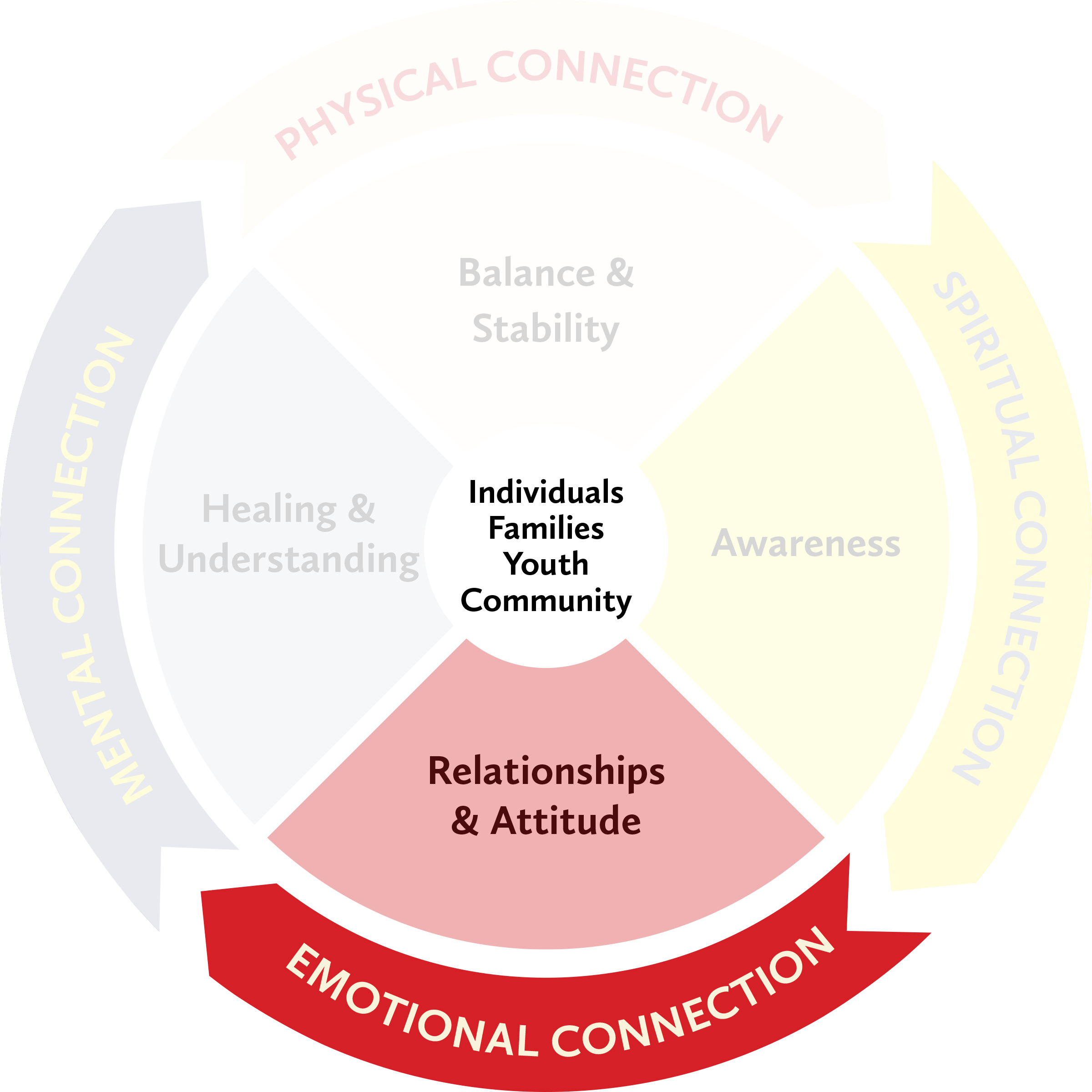
The Heart of Connection
The South represents the heart.
This direction reminds us that emotions are part of being human. Feelings such as grief, anger, fear, love, and hope all shape how we move through life.
In both Cree and Dene teachings, emotions are not meant to be carried alone. Relationships help us process what we feel. When people are supported by family, community, and culture, those relationships help shape how we experience life and the directions we choose.
For generations, colonialism has systematically disconnected First Nations people from their families, community, and culture. The impact of these lived experiences has been devistating and the effects will continue to be felt for generations.
These experiences can leave people carrying grief, anger, fear, or shame. These emotions can lead to further isolation from family and community.
Without traditional support systems, substances are sometimes used as a way to cope with these emotions.
Emotional wellness is not about avoiding difficult feelings. It is about learning how to understand and move through feelings in healthy ways while staying connected to others.
Talking with trusted people helps emotions move rather than become trapped inside.
When people feel supported by family, friends, Elders, or community helpers, they are more likely to find the courage to face those feelings.
Community relationships, culture, and connections to the land become powerful forms of medicine.
For Individuals Experiencing Substance Use Challenges
“Talking with someone who listens without judgment can help release the pressure of carrying emotions alone.”
If you are struggling with substance use, strong emotions may feel difficult to manage.
You may notice feelings such as:
Stress or anxiety
Grief or sadness
Anger or frustration
Shame about past choices
Loneliness or disconnection from others
These feelings are common and understandable; you are not alone in feeling this way.
Emotional healing often begins with learning how to recognize and name what you are feeling. Talking with someone who listens without judgment can help release the pressure of carrying emotions alone.
Helpful supports may include:
Speaking with a counsellor or wellness worker
Connecting with an Elder or Knowledge Keeper
Participating in talking circles or peer support gatherings
Spending time on the land with others
Expressing emotions through art, music, or storytelling
Every conversation is a step toward reconnecting with yourself and others.
For Families Supporting Loved Ones
“Tending to your own spirit is where healing begins.”
Remembering that support does not mean carrying everything alone.
Below are trusted cultural support workers and counsellors with knowledge in how to support loved ones.
Understanding how substances affect the people we love.
To Come… Shot blurb about the substances we know are commonly used in the communities and links to more information on their effects.
When you feel your spirit is in a good place, connect with the loved one in a good way, grounded in relationship, dignity, and patience.
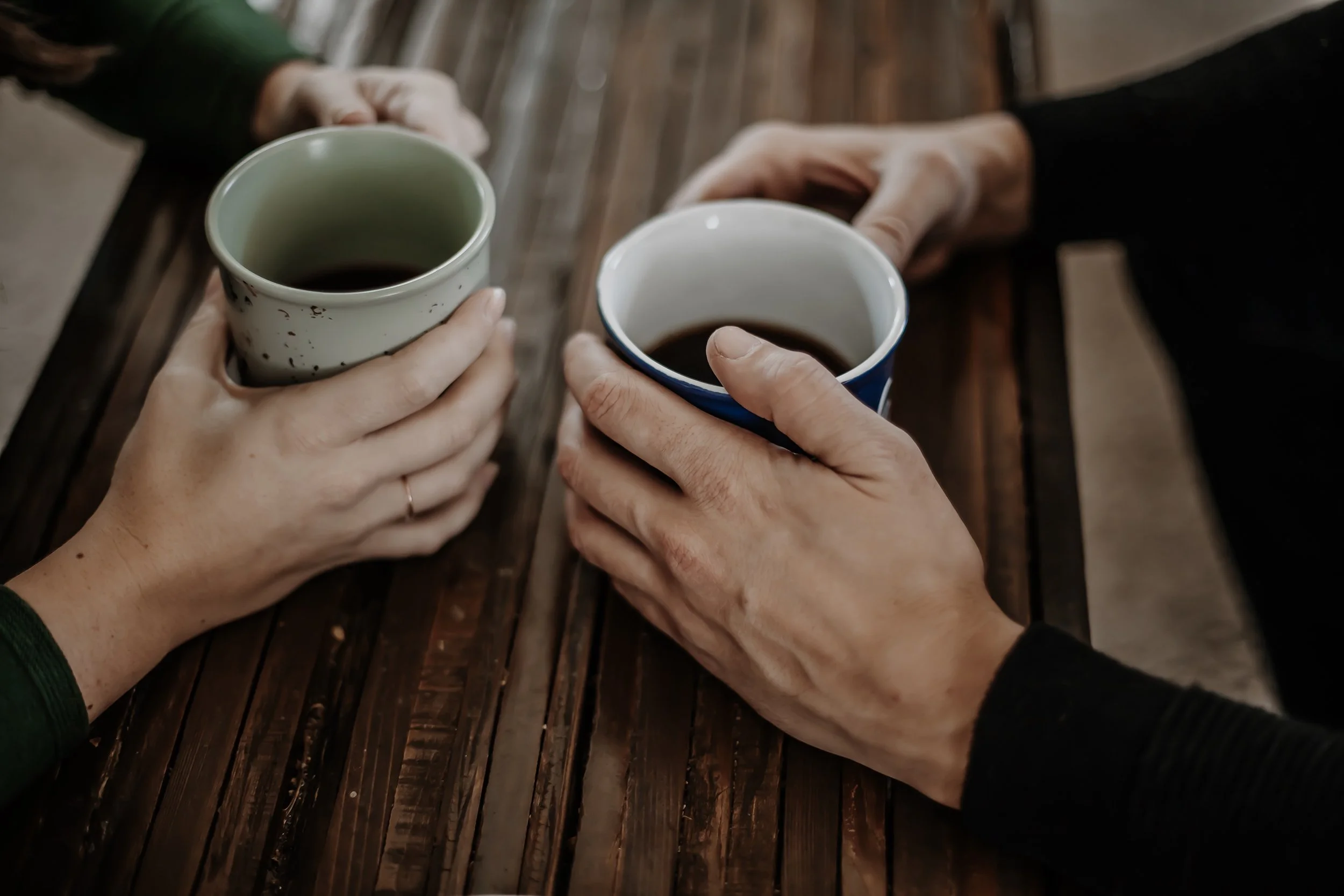
Connect over a cup of tea. Your first conversation does not have to be about addiction; it can just be about connecting with each other.
Walk the land together. Even if it is in silence, there is a connection.
Invite your loved one to cultural gatherings without pressure.
Share meals together. Food is medicine and connection.
Speak openly about substance use without blame.
Healing requires patience.
It may take many attempts before someone is ready to accept help.
Substance use affects the whole circle.
Families may feel fear, anger, grief, or helplessness.
Family members may feel they need to isolate themselves from community and connections to hide what is happening to their relationships at home.
We encourage all family members to remain connected to their own spirit.
When your spirit is strong, you are in a better place to help others.
Returning to shared teachings.
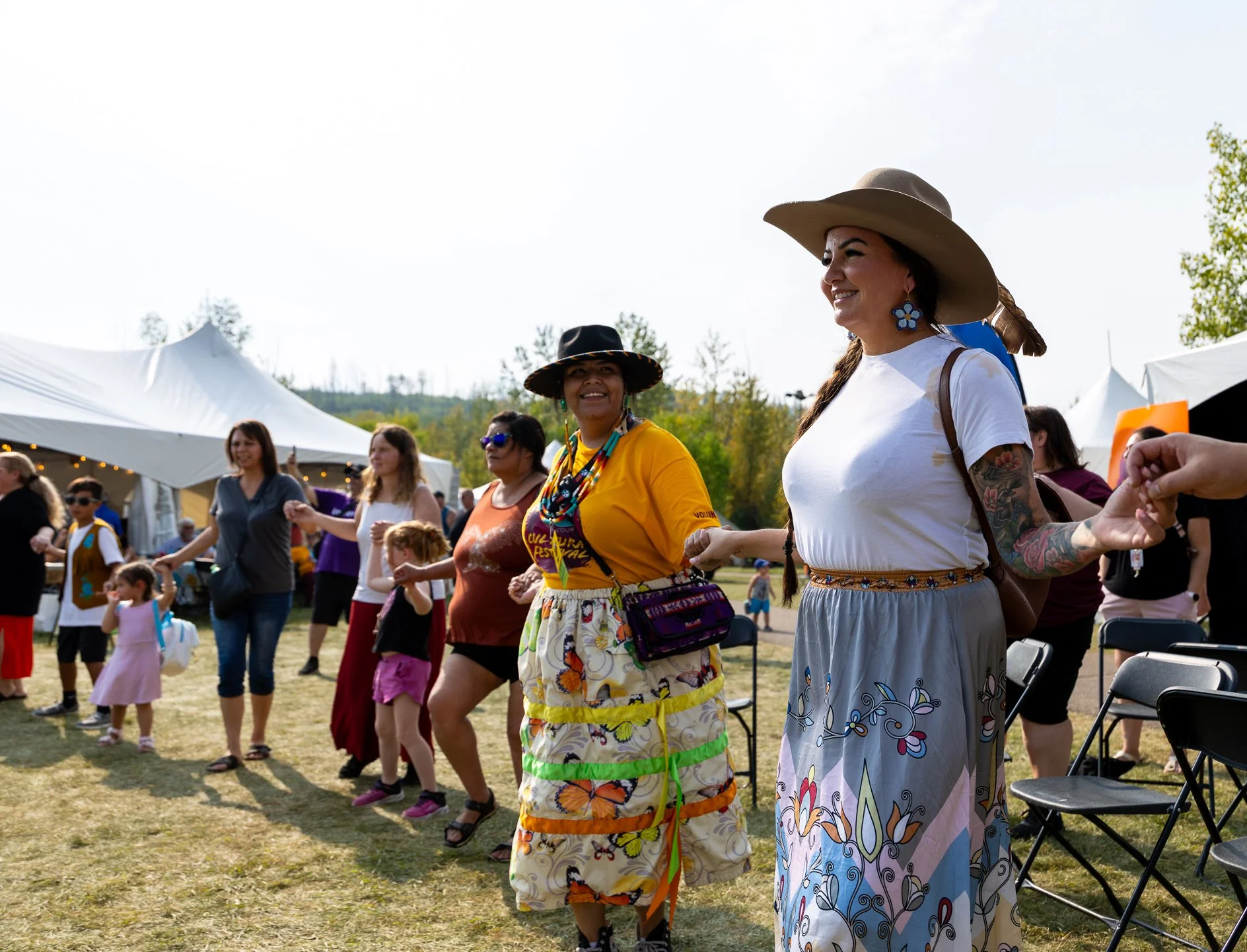
Connect with culture through ceremonies, workshops, and events in your community.
Reaching out for guidance without shame. Talk with trusted Elders or seek support for yourself through community or counselling.
For Youth Affected by a Loved One’s Substance Use
If someone you care about is struggling, you may feel confused, hurt, or invisible.

“Your future is not defined by someone else’s challenges.”
It is important to know:
It is not your fault.
You did not cause this.
You deserve safety and support.
Find health connections that keep your spirit strong:
Connect with the land. Going for a walk to connect with nature is connecting with yourself.
Learning cultural teachings from Elders. Call or visit with Elders in your community.
Participating in land-based and cultural programs being offered in your community.
Expressing feelings through art, music, or storytelling.
Connecting with safe adults who listen. Teachers, cultural support worker and counsellors are there to help.
Your identity is strong. Your voice matters.
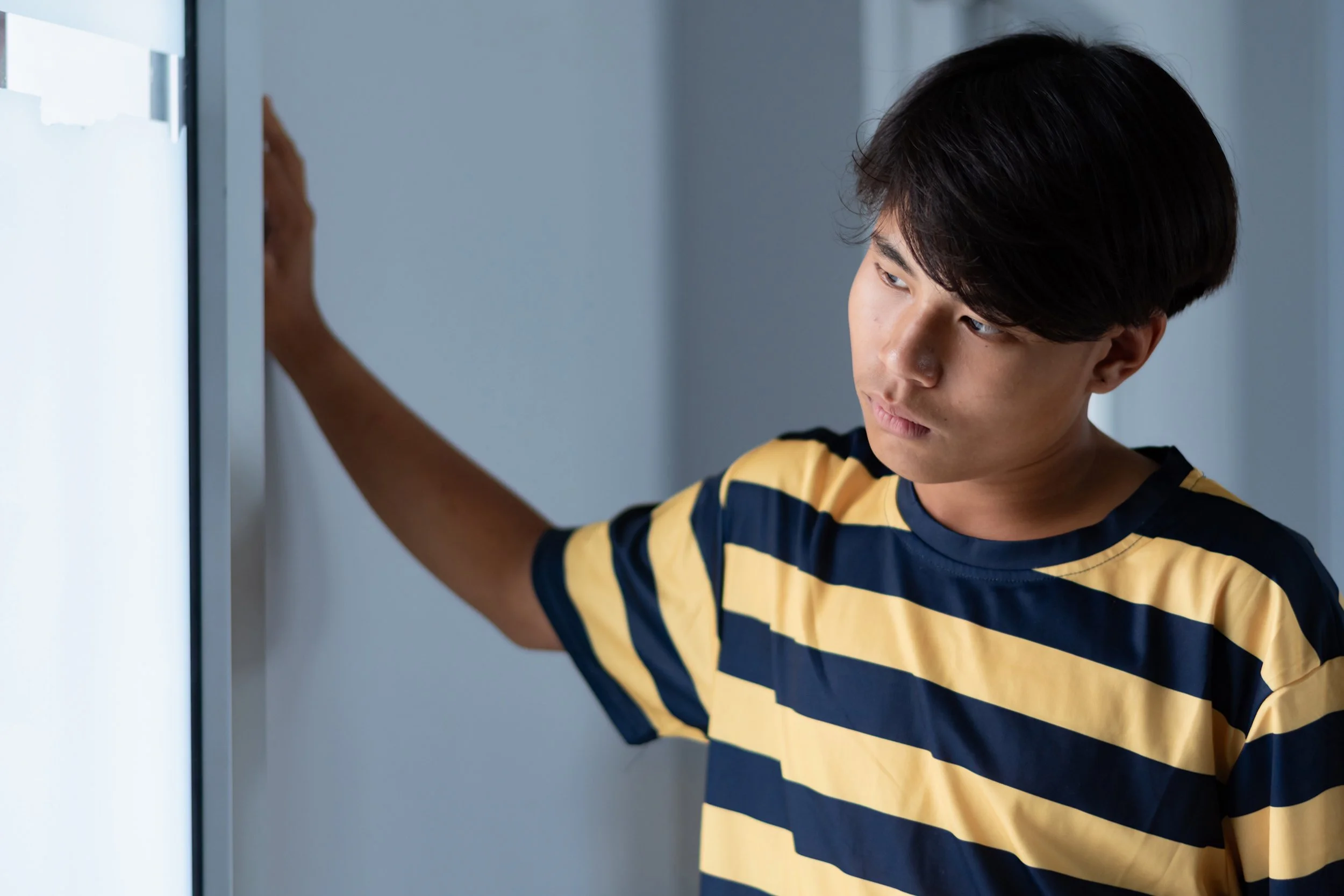

Remember that strength is in connection to others. You should not carry this weight alone.
Below are trusted cultural support workers and counsellors who know how to support you and your loved ones.
For Community Helpers & Caregivers
Spiritual connection requires work in reflection.
Helpers may experience:
Compassion fatigue.
Frustration when progress is slow.
Emotional heaviness from witnessing trauma.
Professional reflection is part of healing:
What emotions am I carrying into this work?
Am I emotionally regulated?
Where do I need support?
Who can I collaborate with rather than working in isolation?
Helping communities, youth, families, and individuals requires working together across Indigenous organizations, clinical teams, friendship centres, peer networks, health networks, and community leadership.
Be sure to take your own advice and connect with resources to support your own spirit.
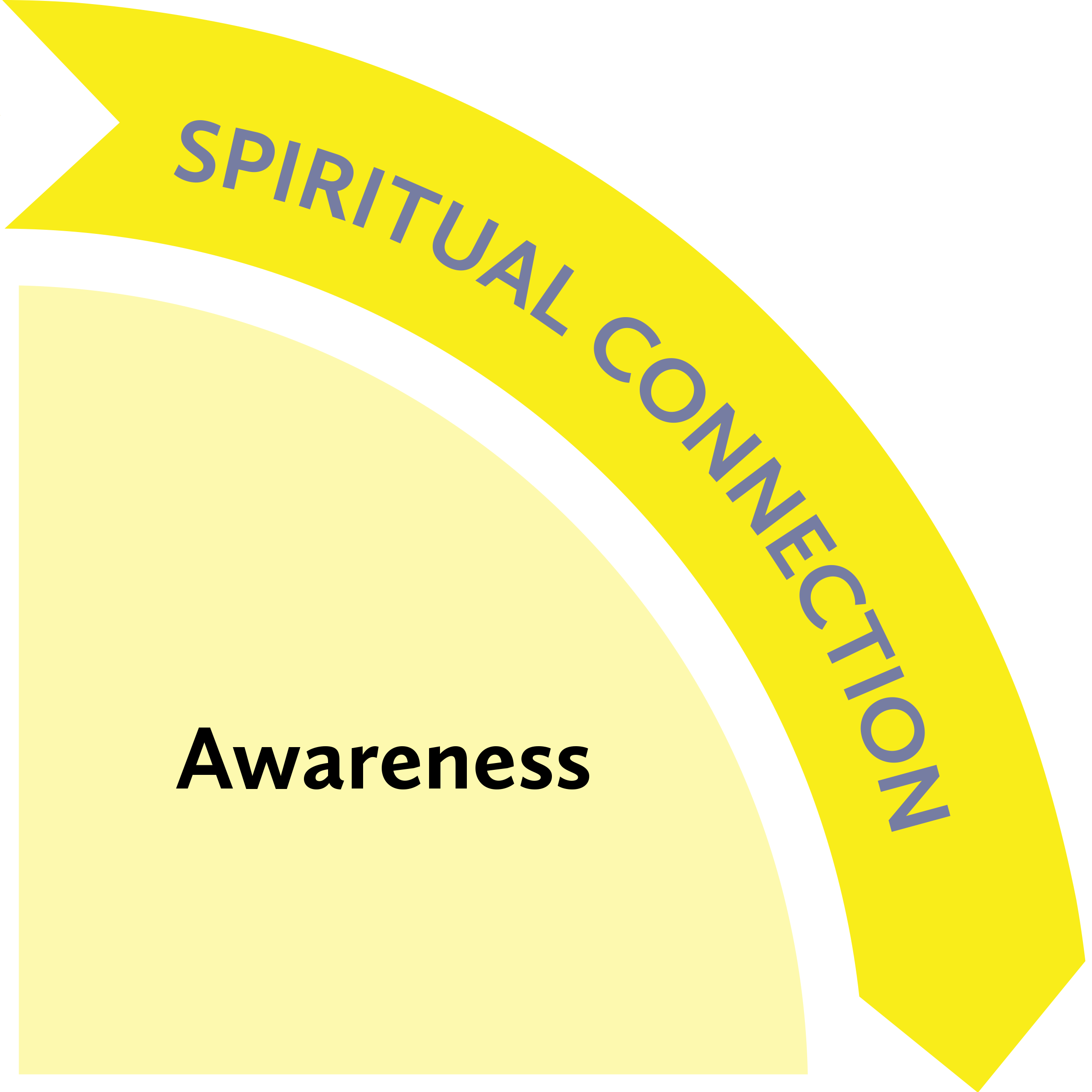
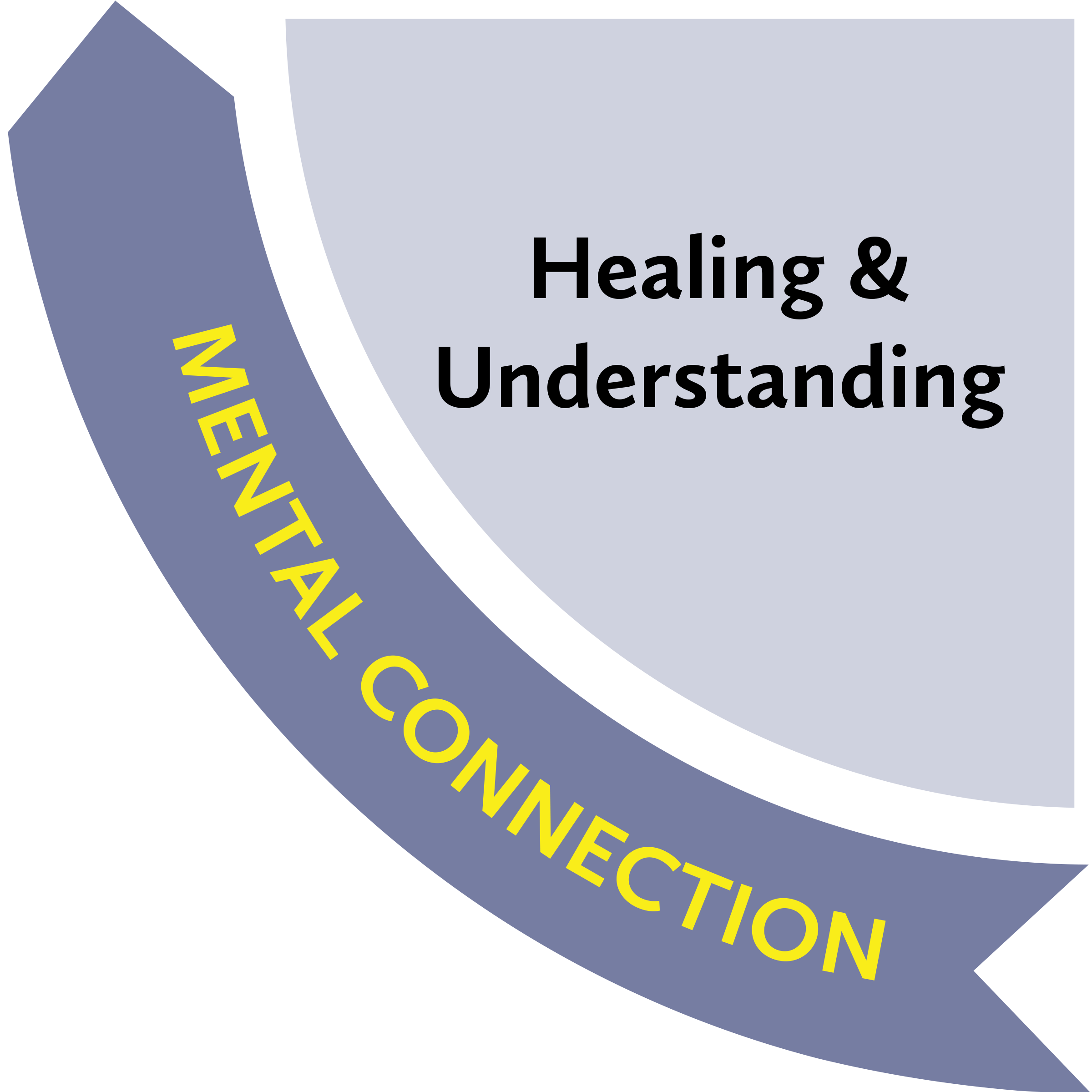
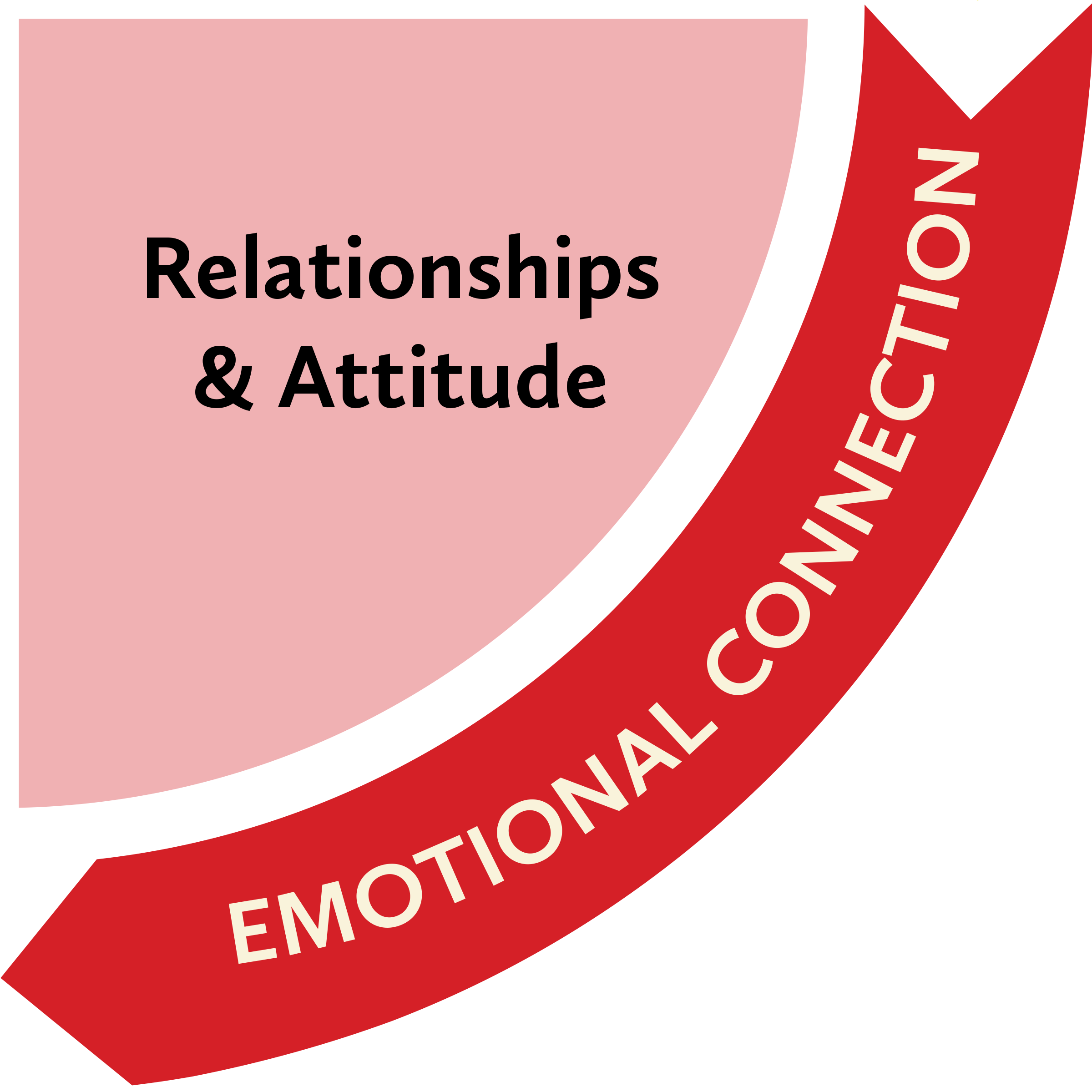
Click on the Medicine Wheel to connect to more areas along your path.