
Emergency Preparedness
Are you prepared?
Know the risks. Make a plan. Have a kit.
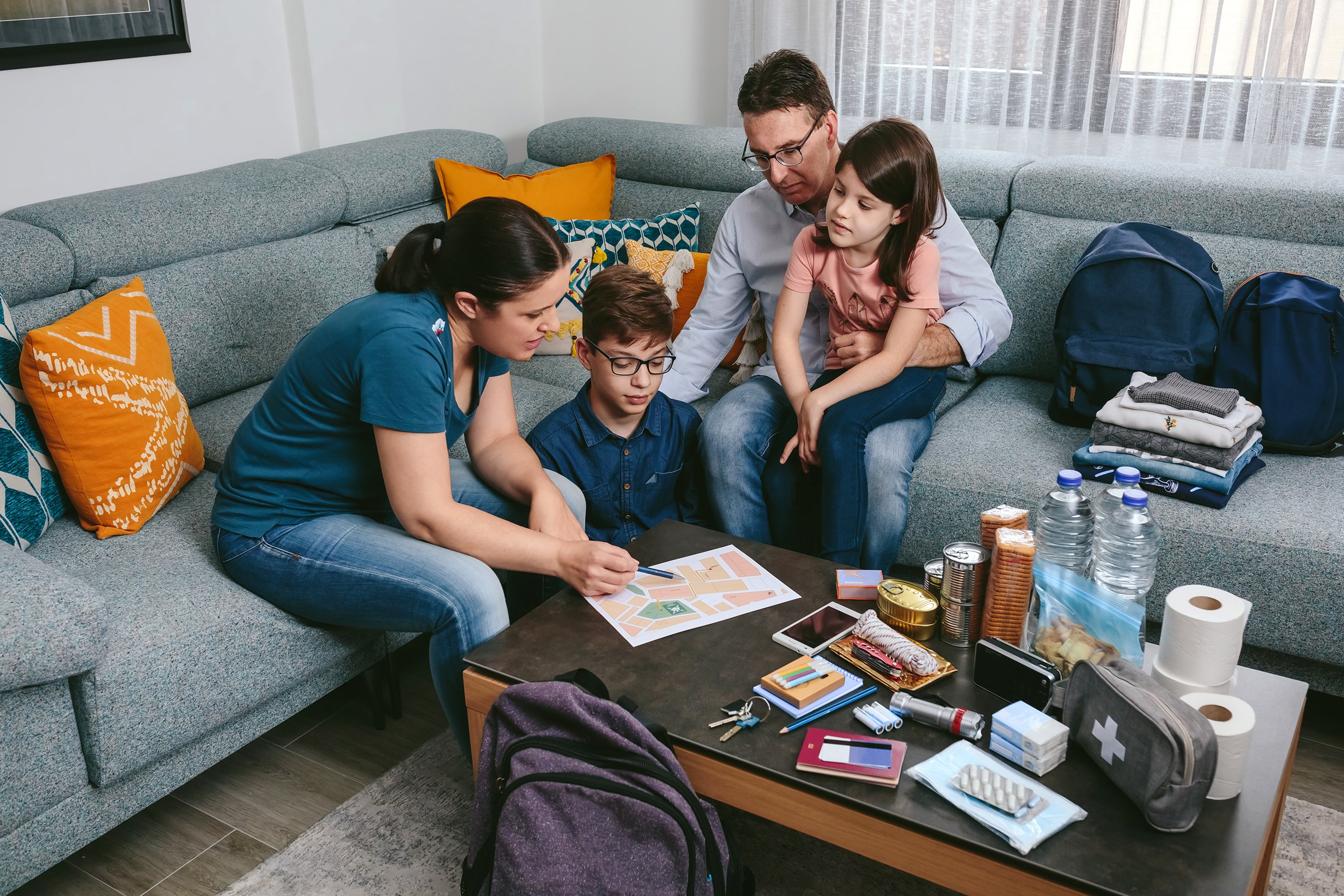
Make a Plan:
Make a household emergency plan. Discuss with all family and household members what you will do in the event of an emergency.
Check your insurance:
Coverage is available for most major disasters including fire, lightning strikes, windstorms, hail, tornadoes, and others
Make sure your policy includes sewer back-up insurance
Keep a detailed paper and/or video inventory of your home or business and keep it in your emergency kit
Keep all your important documents in a safe location that is easily available
Be aware that government disaster recovery programs will not compensate for damage and loss for which insurance was readily and reasonably available before the disaster occurred
Audit your home:
Check your smoke and carbon monoxide detectors
Make sure no flammable materials are kept near electrical equipment or your furnace
Check for frayed electrical cords or overloaded circuits
Identify all potential exits
Learn how to turn off your water and electricity safely
Locate safe rooms in your home


Emergency Update Resources:
Wildfires: Fort McMurray Area Update
Evacuation Information: RMWB
For the most up-to-date information on provincial fire advisories and restrictions, download the Alberta Wildfire App or visit albertafirebans.ca.
To report a fire in the forested area, call 310-FIRE (3473).
Stay informed by following official and trusted channels such as RMWB.ca and Municipal X.com or Facebook.
Download the Alberta Emergency Alerts App
Follow local media sources.
For questions or further information, please call Pulse at 780-743-7000 or 1-800-973-9663.
Resource Links:
Get Prepared - Government of Canada
Emergency Preparedness - Government of Alberta
Emergency Kit Checklist - Pets

Prepare a Kit
Basic Items:
Water - two litres of water per person per day
Food - canned, package or non-perishable food for each member
Wind up or battery-powered flashlight
First aid kit
Extra keys for your car and house
Cash, travelers' cheques and change
Important family documents
Additional Items:
Candles and matches or lighter (place in a sturdy container)
Change of clothing and footwear for each household member
Sleeping bag or warm blanket for each household member
Toiletries and personal hygiene items
Hand sanitizer, toilet paper and garbage bags
Prepaid phone card and/or mobile phone charger
Pet food and supplies
Infant formula, baby food and supplies
Activities for children like books, puzzles or toys
Prescription medication and medical equipment
Utensils, plates and cups
Household chlorine bleach or water purifying tablets
Basic tools (hammer, pliers, wrench, screwdrivers, work gloves. and pocketknife)
Small fuel-operated stove and fuel
Whistle
Duct tape
Vehicle Kit:
Sleeping bags or blankets
Small shovel, scraper, and snowbrush
Roadmaps
Sand, salt, or non-clumping kitty litter
Tow rope
Anti-freeze/windshield washer fluid
Jumper cables
Warning light or road flares
Traction mat
Compass
Roll of paper towels
Axe or hatchet
Methyl hydrate (for fuel line and windshield de-icing)
All-purpose fire extinguisher (rated A-B-C)
Fire Smart
Home Ignition Zone


Click on the links below to get more information about the zones.